Reviewed by David Ebony
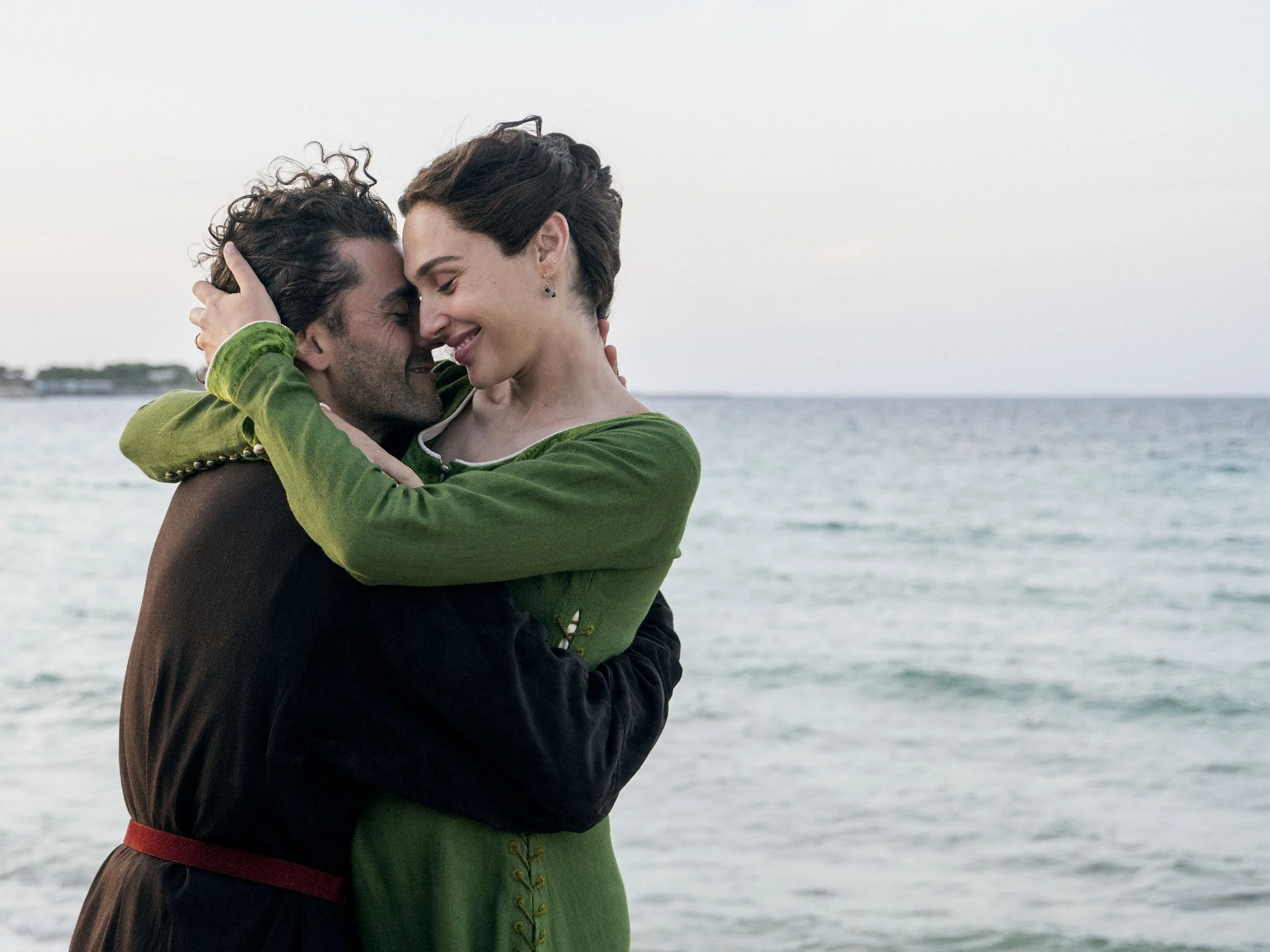
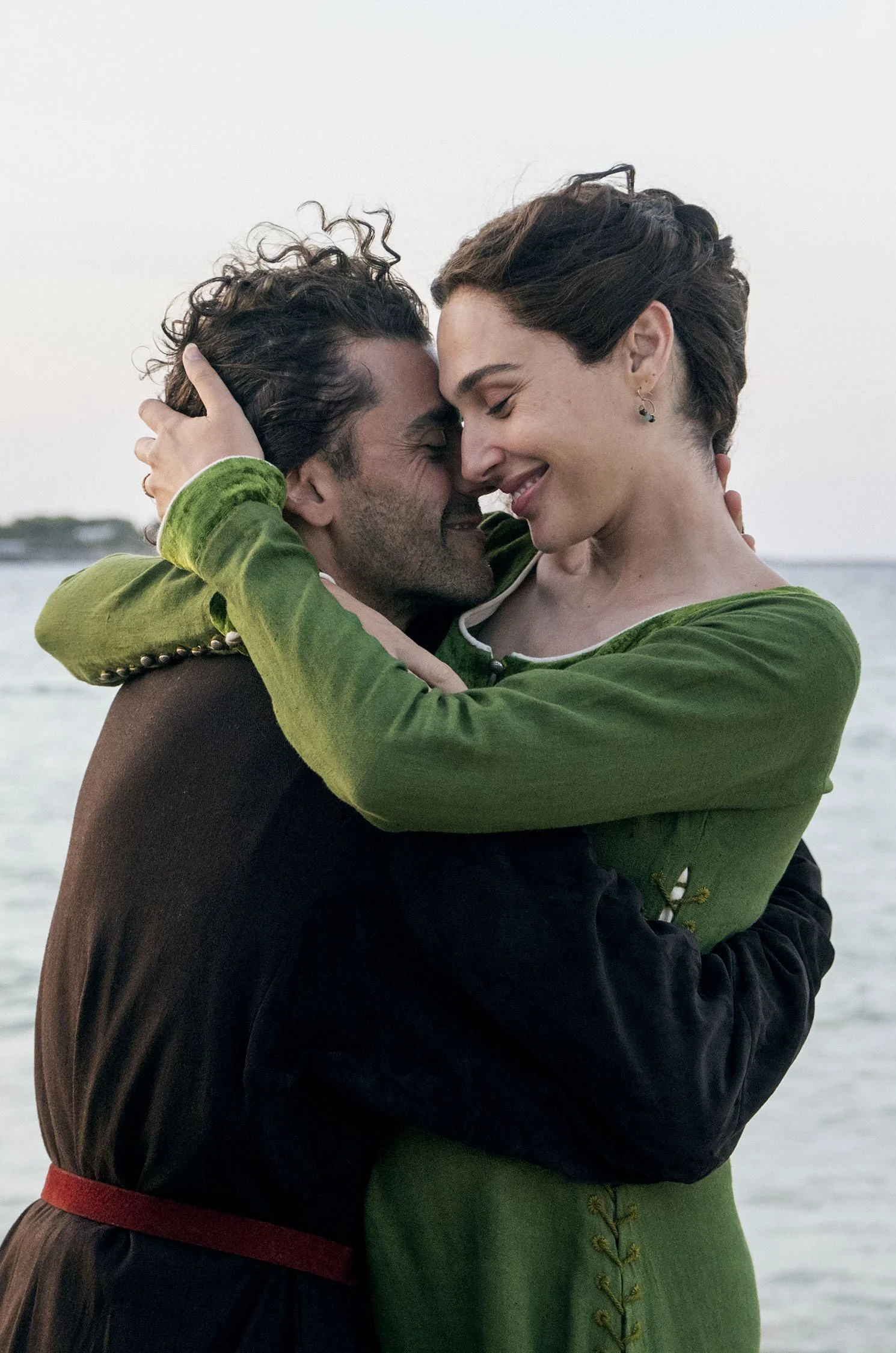
Julian Schnabel’s latest film, In the Hand of Dante, which premiered at the Venice Film Festival last fall, and made its U.S. debut earlier this year, is a bifurcated epic that takes place in parallel realms of time and space. One period is 13th-and 14th-century Tuscany, at the time of the poet and philosopher Dante Alighieri, author of the monument of world literature, Divine Comedy. The second period is a contemporary realm, centered on New York author and Dante scholar Nick Tosches, who gets himself entangled in an ultra-violent mafia plot to steal Dante’s original Divine Comedy manuscript that has turned up in an Italian monastery. Mob bosses enlist Nick to authenticate Dante’s handwriting, which would boost the manuscript’s value to countless millions. An unusual cinema hybrid, In the Hand of Dante blends the grit of Goodfellas, and the intrigue of The Da Vinci Code with the historical romance of a picture like A Man for All Seasons.
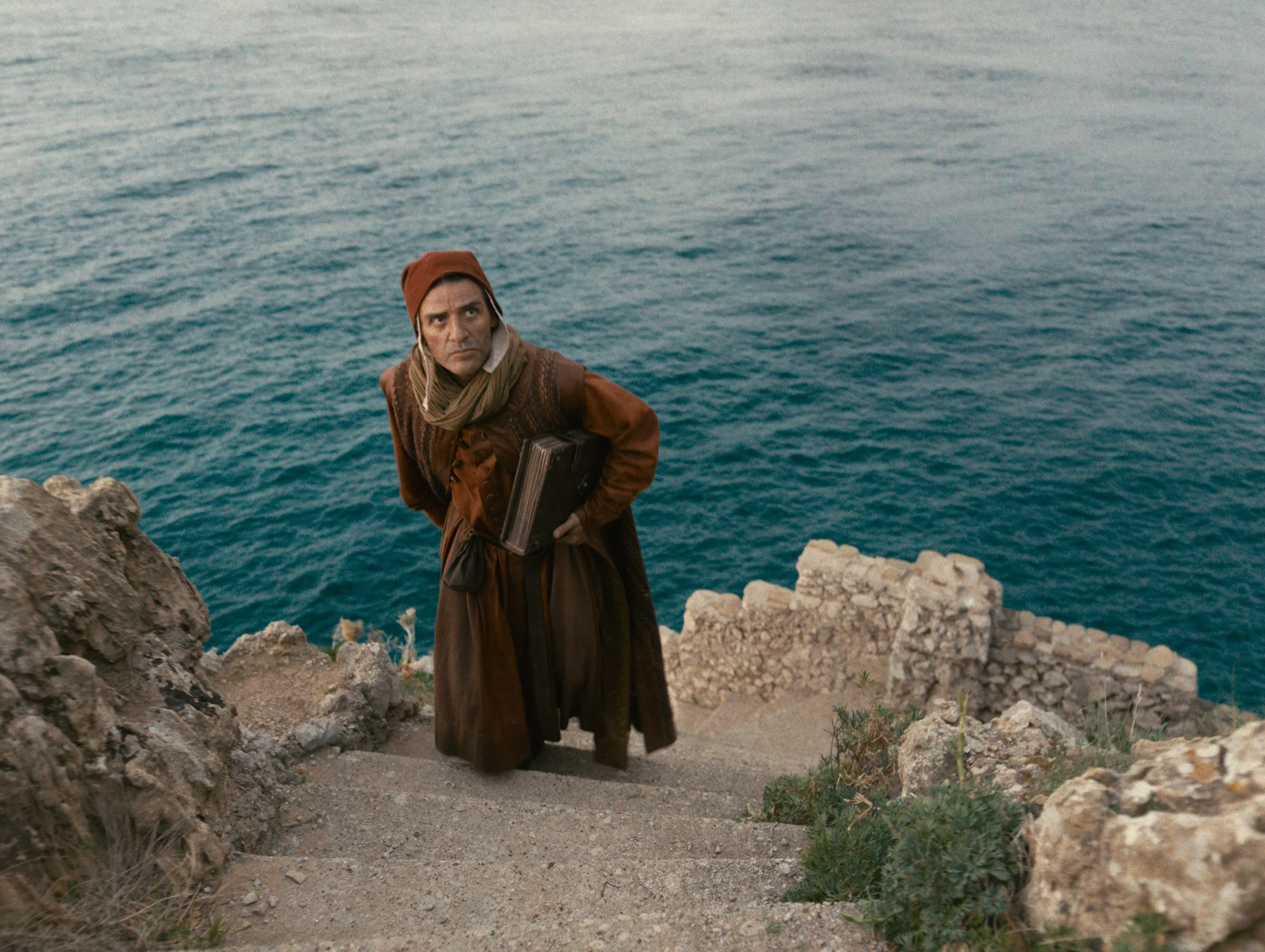
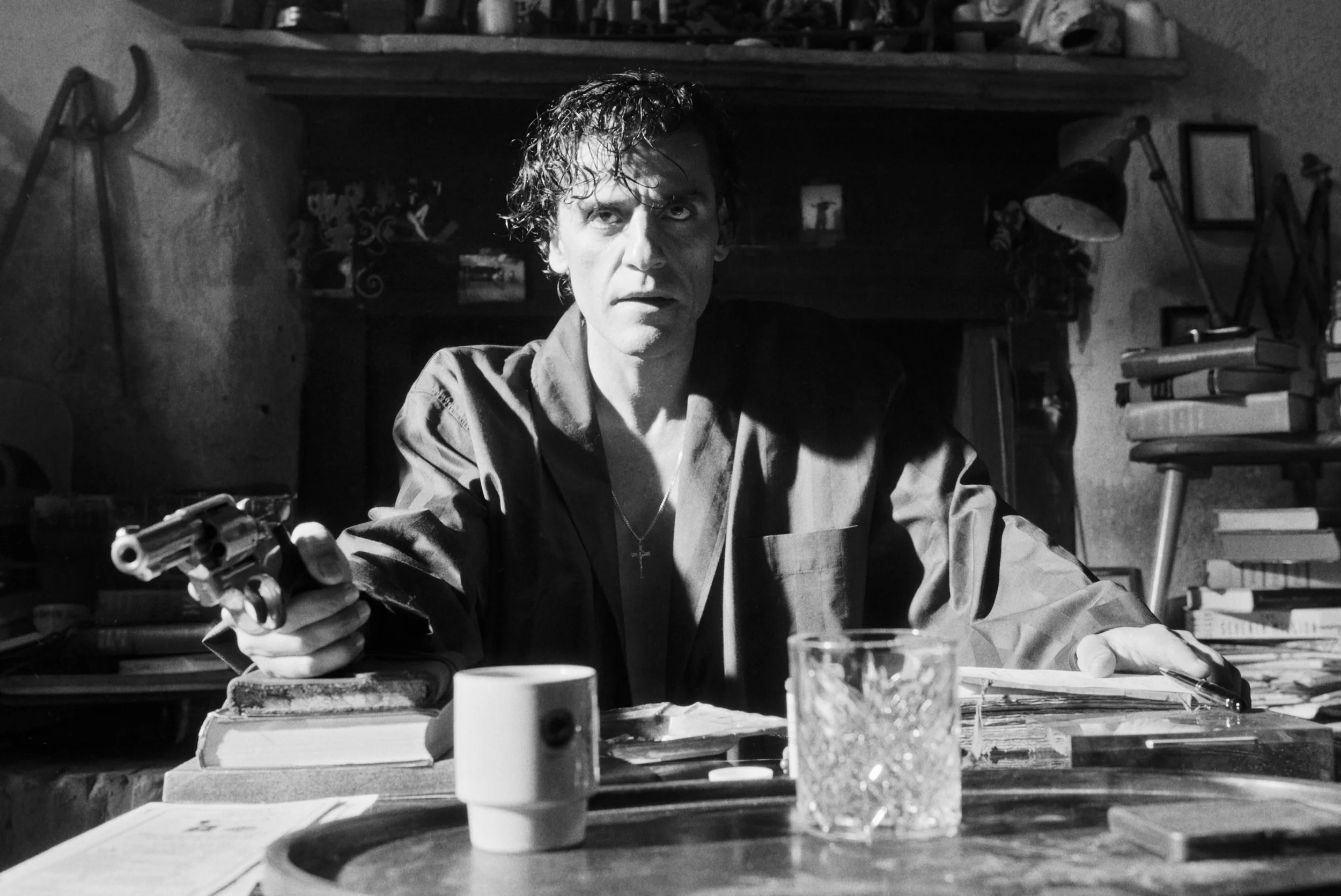
Photo: Alex Majoli
The movie cuts back and forth between the two eras, but not in the manner of conventional flashbacks. Scenes of the present day are in black-and-white, while the historical sequences are in color. In the screenplay co-written by Schnabel and Louise Kugelberg, who also edited the film, the familiar street language of the present day contrasts strikingly with the more formal dialogue of the period scenes, which sometimes evokes Old English. Oscar Isaac plays both Nick and Dante, with a riveting combination of fierce intensity as Nick and graceful comportment as Dante. Isaac is joined by a stellar cast including John Malkovich, Gerard Butler, Gal Godot, and Jason Momoa, with cameos by Al Pacino, Franco Nero, and an especially memorable appearance by Martin Scorsese as the wizened Isaiah, Dante’s mentor, donning an outlandish wig, makeup and period costume. Benjamin Clementine, who composed the film’s score, also makes an electrifying screen presence near the end.
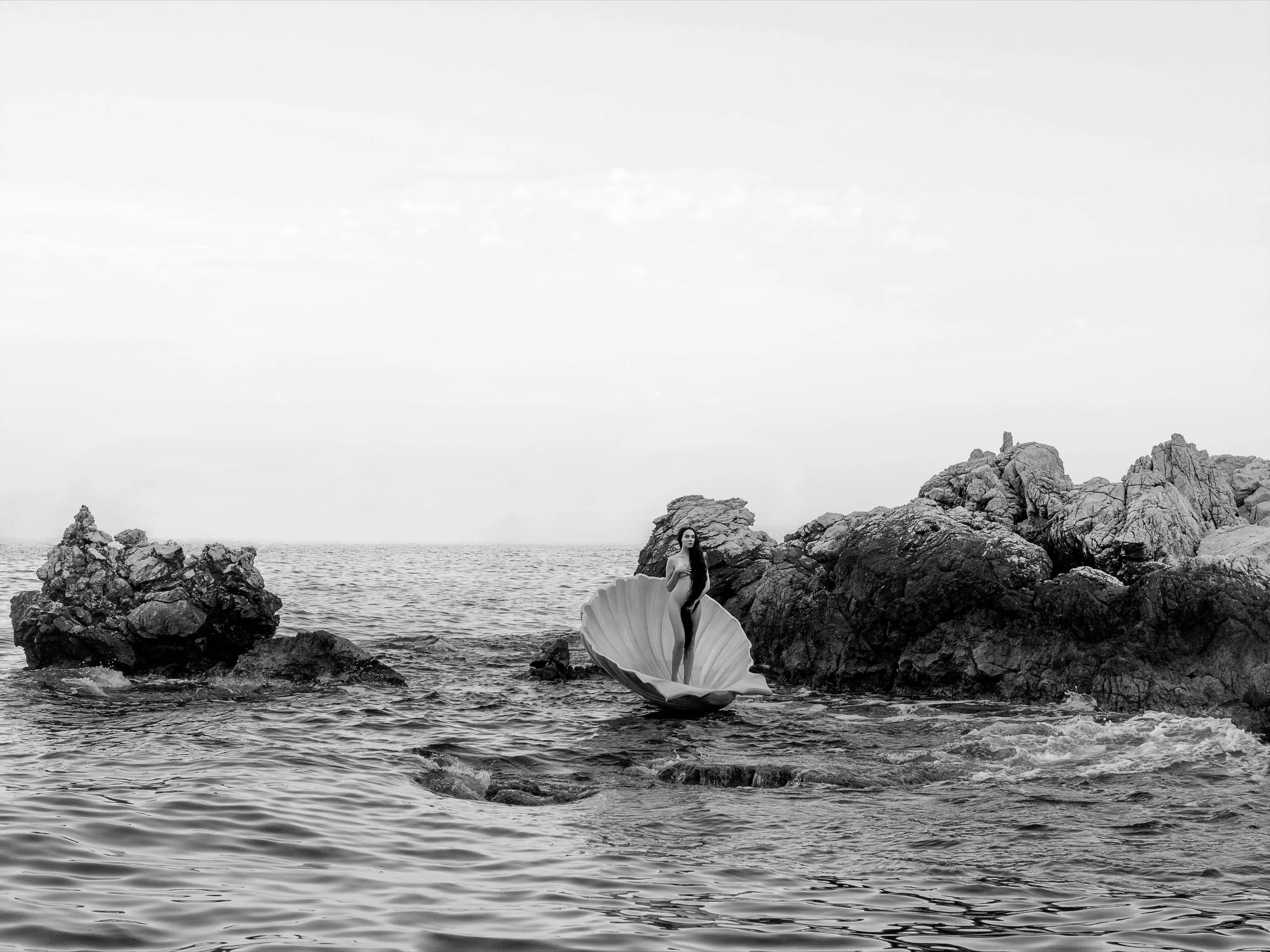
Like Schnabel’s previous films such as Basquiat, and the van Gogh tribute, At Eternity’s Gate, art references abound here, and the central aim of the main protagonists is truth and beauty. In the Hand of Dante features a purloined Rembrandt self-portrait presiding over the office of the mob boss (Malkovich); and in one of the most unforgettable scenes, a fanciful hallucination, Dante’s wife Gemma (Godot) appears as Venus in Botticelli’s iconic painting The Birth of Venus (c. 1484-1486), shot off the coast of Sicily near Palermo. Throughout, Schnabel and cinematographer Roman Vasyanov pay homage to Italy’s history and architecture, especially in scenes shot in Tarquinia and Venice, which, even as a setting for a mafia bloodbath, looks stunning. In the Hand of Dante calls for a special kind of audience attention, offering a demanding rollercoaster ride of quickly fluctuating time, place and emotional states. Once you fasten your seatbelt, though, it can be an exhilarating ride. — David Ebony
In the Hand of Dante, directed by Julian Schnabel; 2 hrs. 31 min.; Netflix.