
Words Adam Snyder Photography Martin Crook
Published in No 18
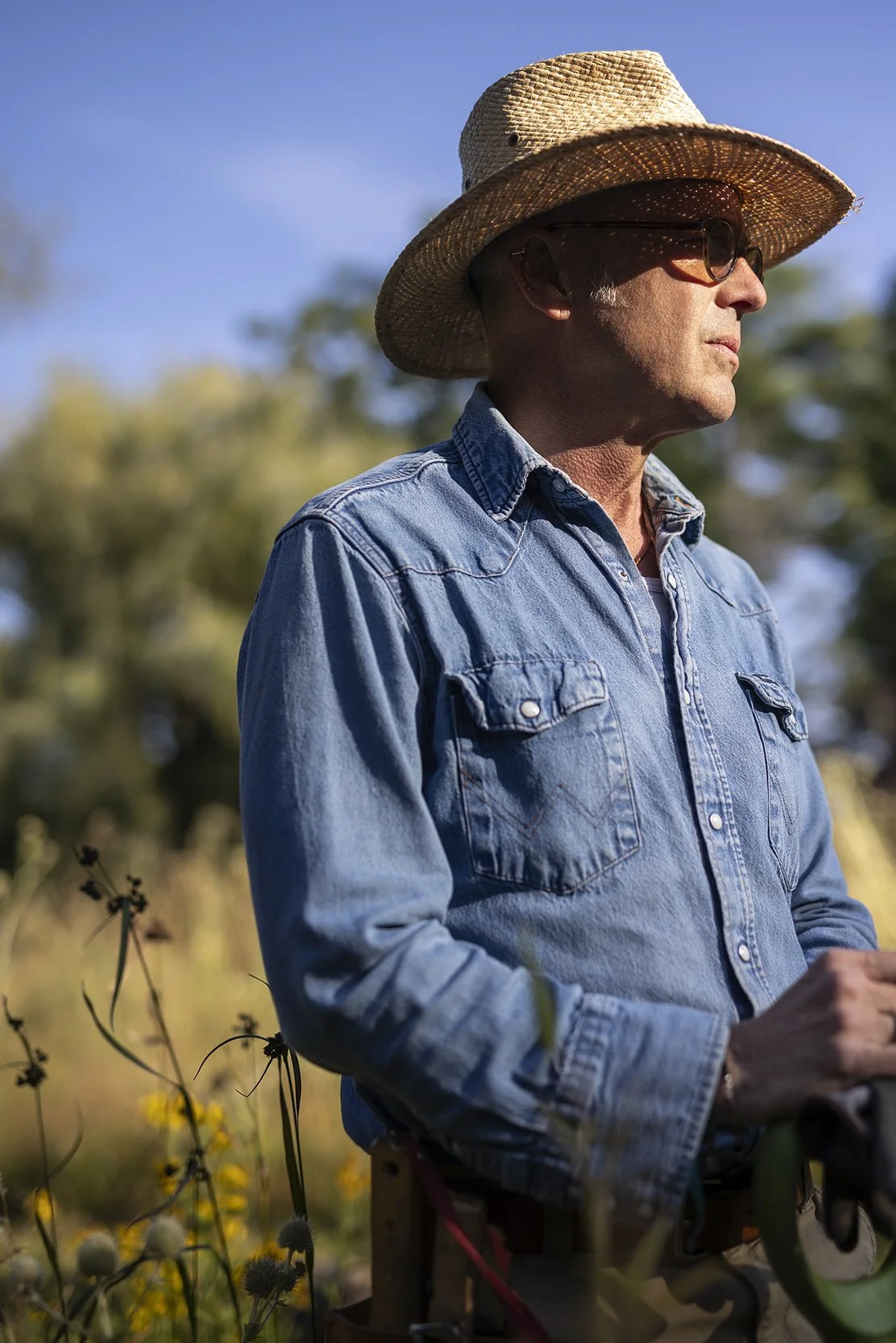
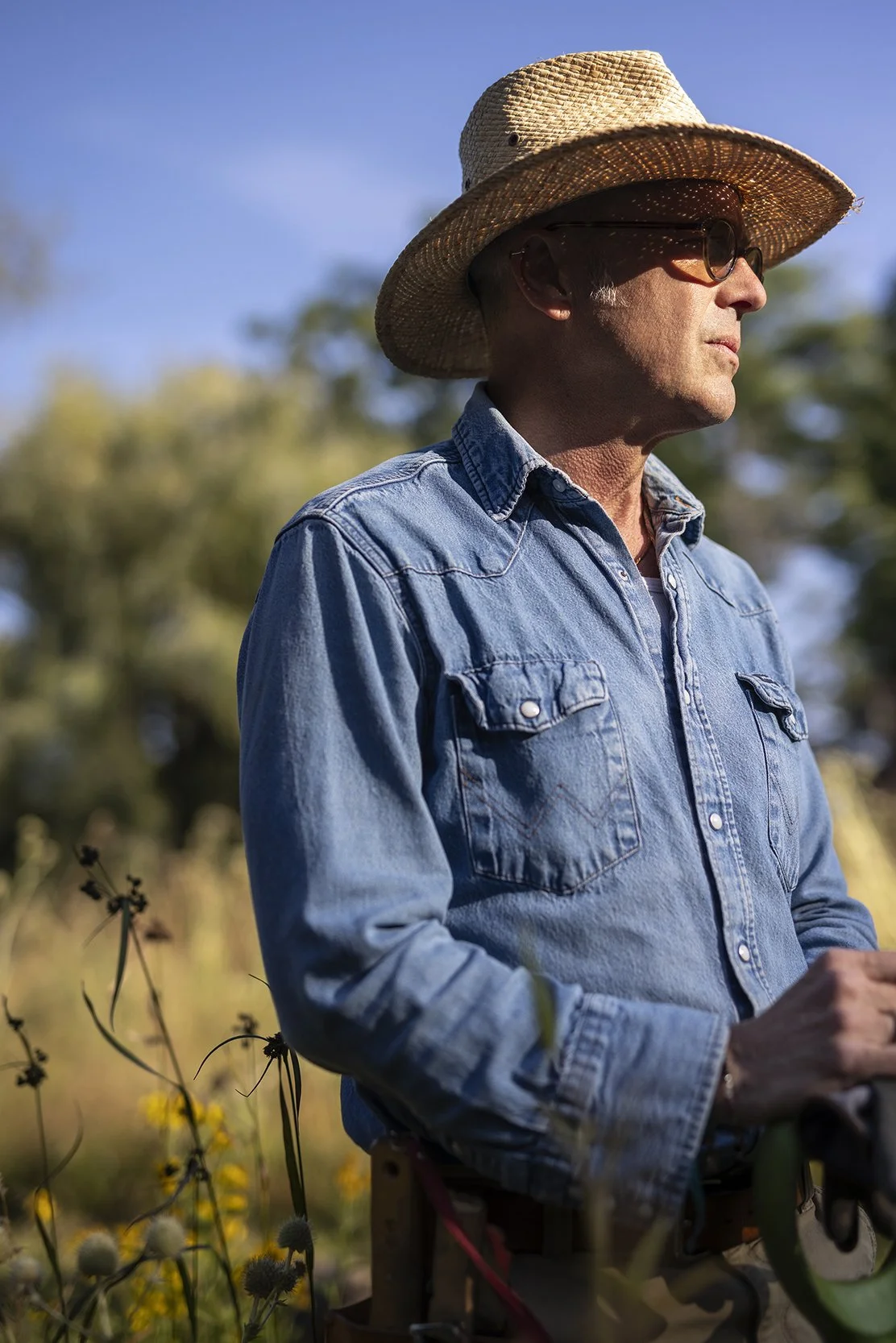
Like a true nature’s child, Jean-Marc Flack takes the world in a love embrace.
In his sci-fi novel Imperial Earth, Arthur C. Clarke envisioned a planet largely gone back to its wild state. While Clarke’s 1976 prediction has yet to come true, the idea of re-wilding has begun to catch on. Conservancies are already recreating wildlife corridors, and folks with land to dream on are beginning to embrace re-wilding themselves.
For landscape designer Jean-Marc Flack, re-wilding is a specialty. The name of his business, Hortulus Animae, roughly translates to Little Garden of the Soul, and his team’s creations are indeed places to inspire the spirit.
“Re-wilding is a very trendy topic at the moment,” Flack says. “I think it’s evolving. If I were to try to define it, I’d say that it’s more of a philosophy and a mindset than a particular set of instructions or practices, because it depends on the context and on the site.” Like a sommelier of the earth, Flack suggests pairings both appealing to the discerning eye and friendly to the planet’s palette. Each project begins with an initial walkthrough to identify plant communities, hydraulic features, and environmental resources in general. Research into what occurs naturally provides the context for the design.
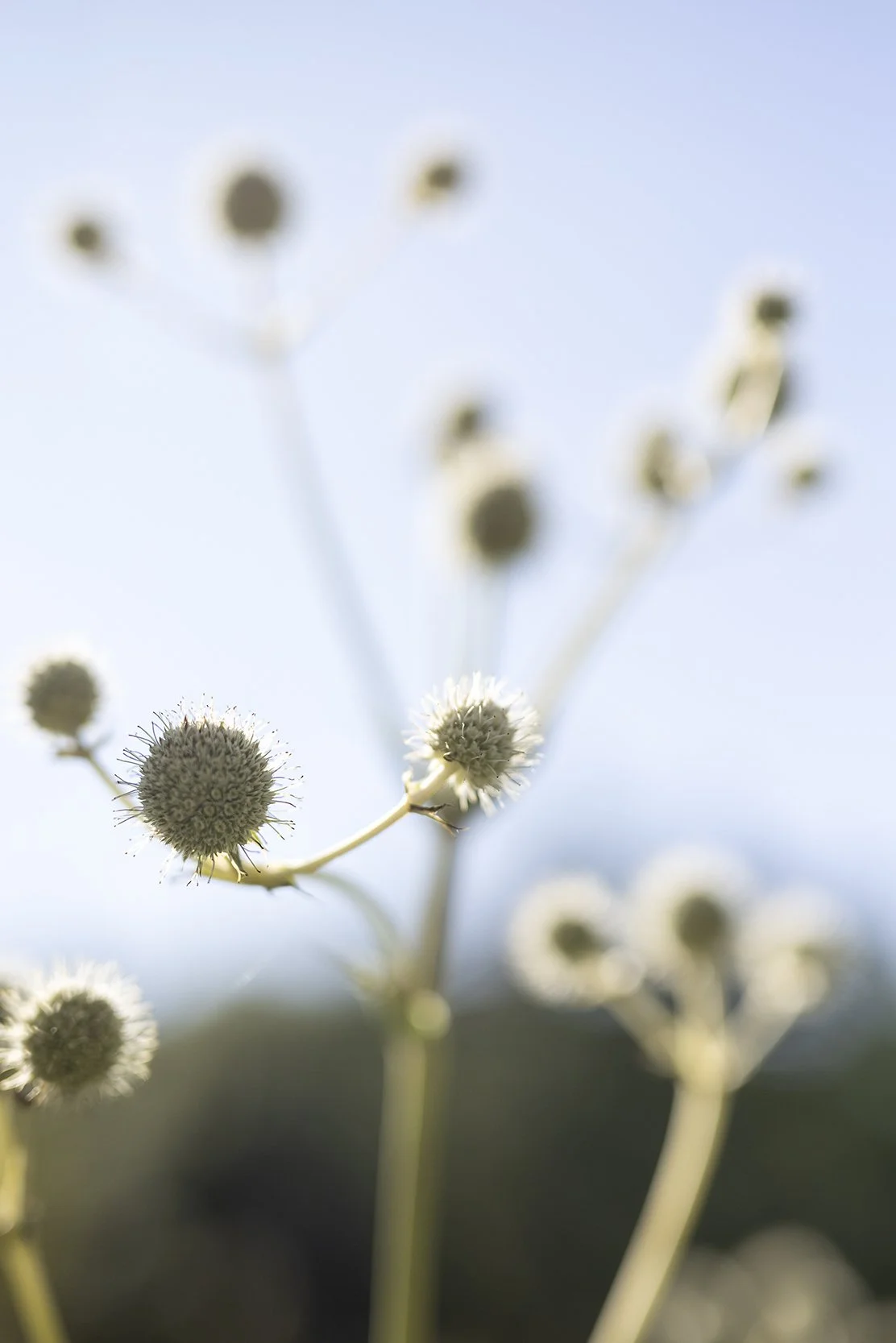
The self-sowing rattlesnake master grows up to six feet tall and blooms through summer. It’s not regionally native to the Northeast but the pollinators still love it.
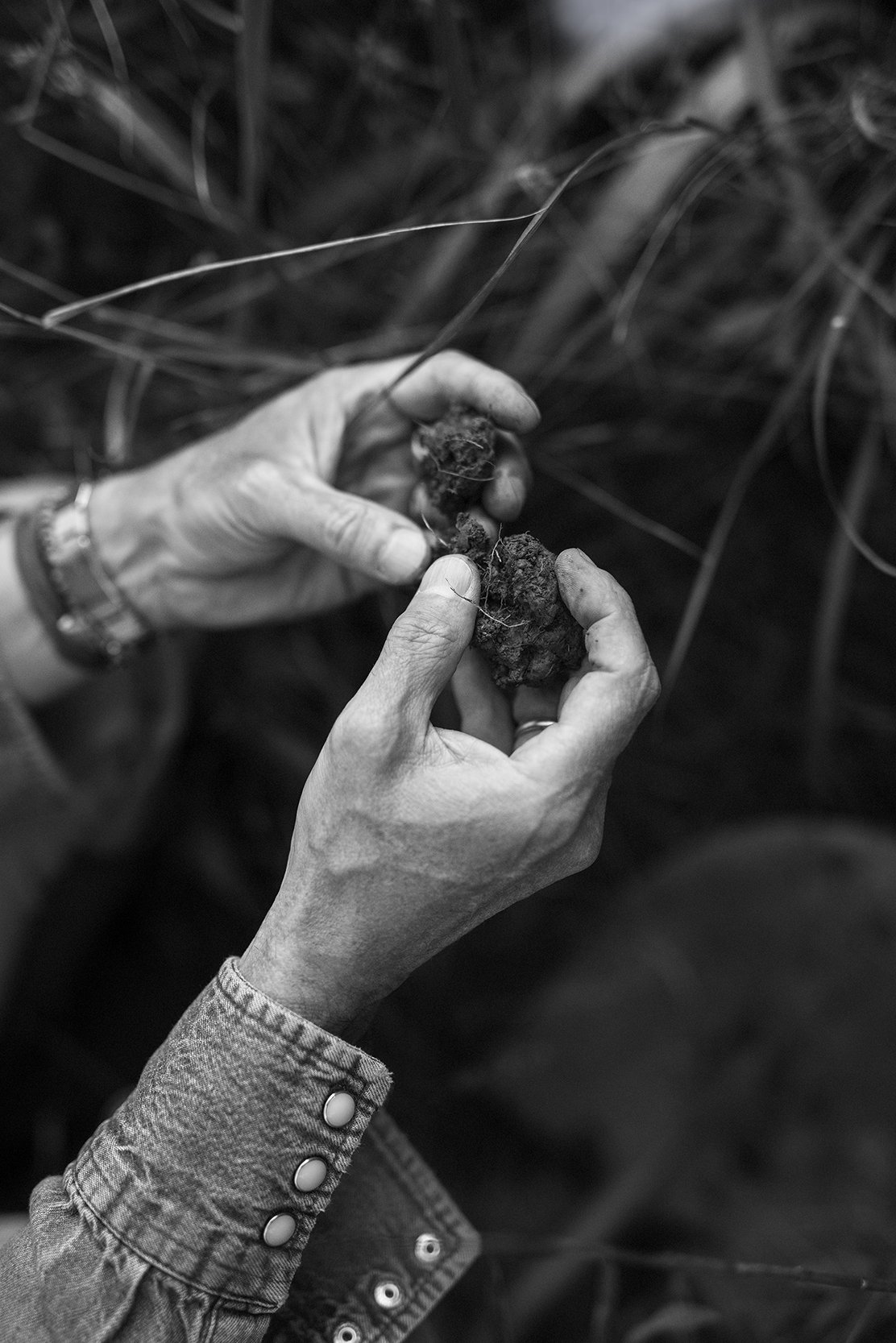
If you think you need to invest in all sorts of fancy fertilizers, you might be surprised to learn that amending the soil is actually the last thing Flack would advise.
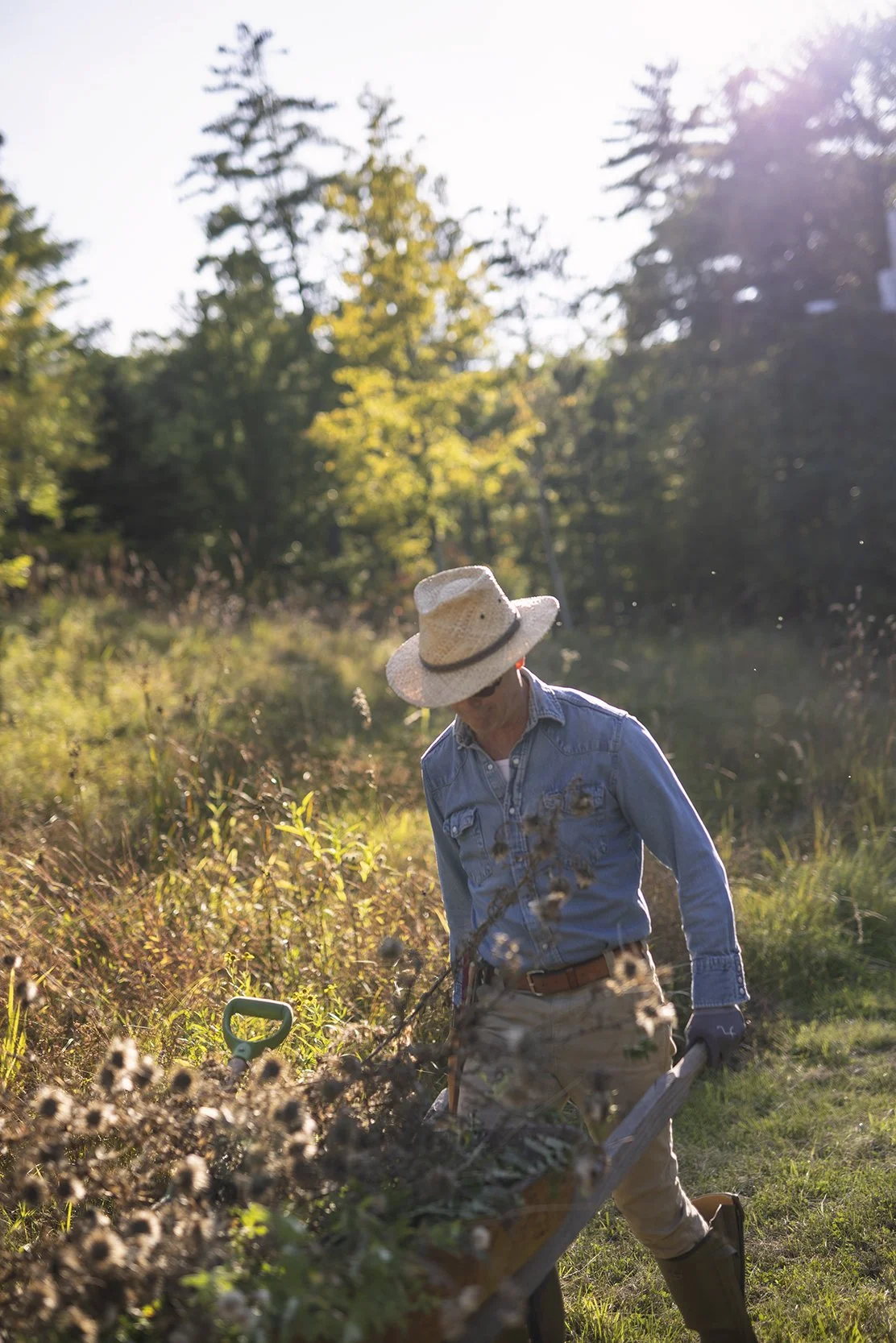
Flack points to a project called Rambunctious Garden he found particularly satisfying because the client gave him carte blanche to do whatever he wanted. His team repositioned ninety tons of boulders to create terraces and retaining walls, then added five thousand native plants. “Each area got an appropriate plant mix based on the site conditions,” Flack explains, “the amount of sun, the amount of water. We spread out those plants in very loose plantings, without having a very specific planting plan, and the idea was that the Rambunctious Garden would then basically do its thing.”
Letting nature do its thing actually comes closest to the strictest definition of re-wilding, which ultimately seeks to replace human intervention with natural processes. Flack’s typical clients might not be ready to let go to that extent. In fact, while most are quite receptive to the concept of biodiversity, Flack could fill a book with conversations he’s had about lawns. “Lawn is a monoculture that has zero benefits for biodiversity or for the ecosystem,” he’ll tell you. “It takes resources like fossil fuel and chemicals and it’s completely not sustainable. Personally, I think it makes your property look like a golf course. Unfortunately, many people have been conditioned to think that’s attractive.”
Perhaps lawns are an aspirational holdover from 18th-century French and English aristocratic landscape sensibilities, or maybe people just need some space to play soccer with the kids. Either way, Flack has most certainly taken his own advice.
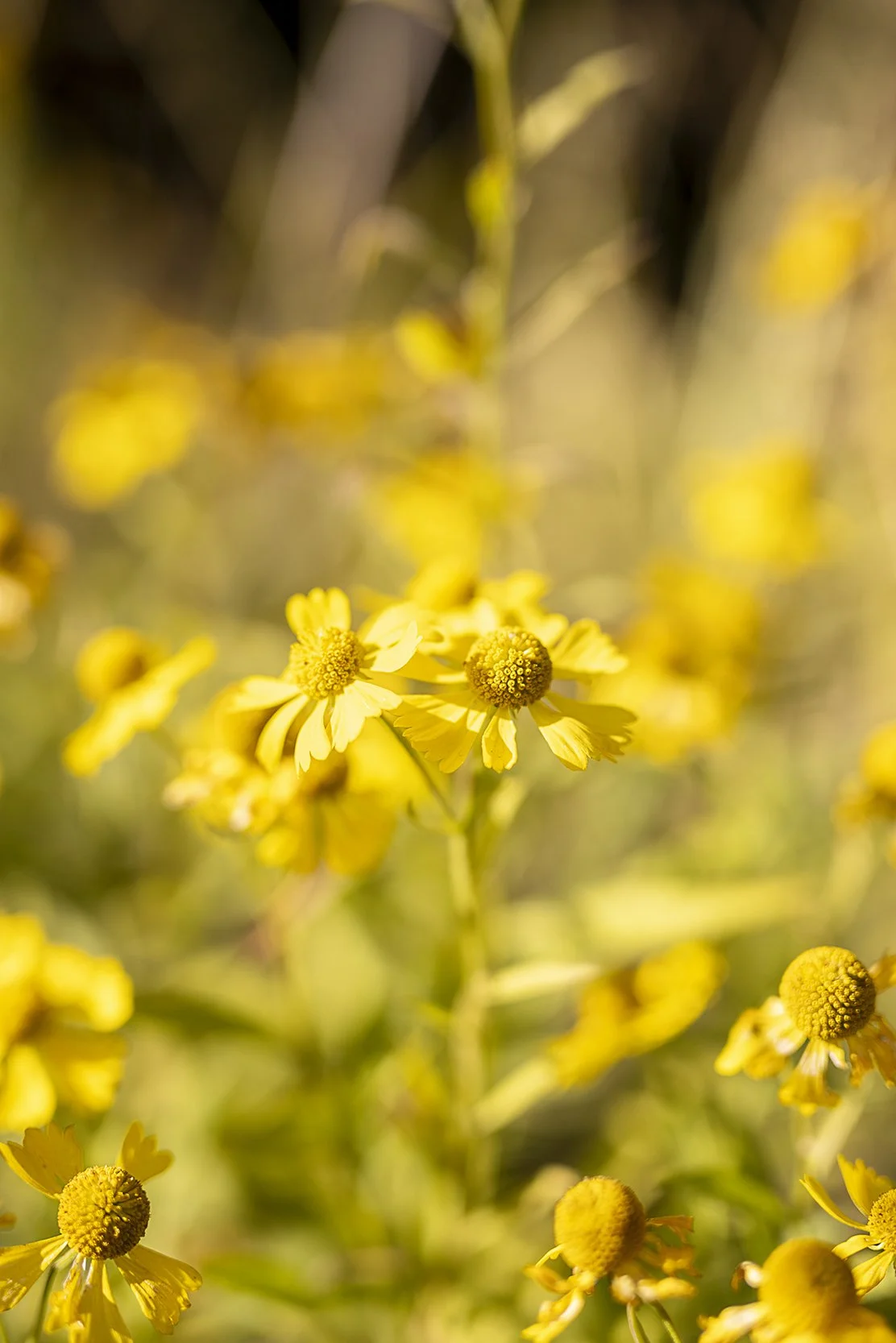
The native sneezeweed, from the sunflower family, blooms in late summer or fall.
Visiting his property in Greene County (which he shares with his choreographer husband, Stephen Petronio, who has his dance residency center there) you will find the most lusciously re-wilded meadow you can imagine. It features grasses including Little Bluestem and Prairie dropseed, interspersed with wildflowers ranging from New England Aster to Orange Coneflower. Beyond being inviting to buzzing friends, the meadow is a veritable deer smorgasbord, and it’s open 24 hours. One would like to believe this is a positive step toward helping the overall environment, is this true? “I do firmly believe that every project is an opportunity to promote biodiversity. The more plants and trees you put in, the more carbon is being pulled out of the atmosphere, the more habitat you’re creating for local and migrating pollinators.” Flack champions not only pollinators but the wild plants themselves, even ones sometimes considered weedy or common because you can see them alongside the road. “It’s how something functions in the ecosystem that ultimately is the test and with native plants is how you achieve it,” Flack firmly believes. “We’re always talking about the genius loci, the spirit of place. You’ve done your job as a landscape designer when you’ve really tapped into it, and created something that feels not just site-specific but anchored.”
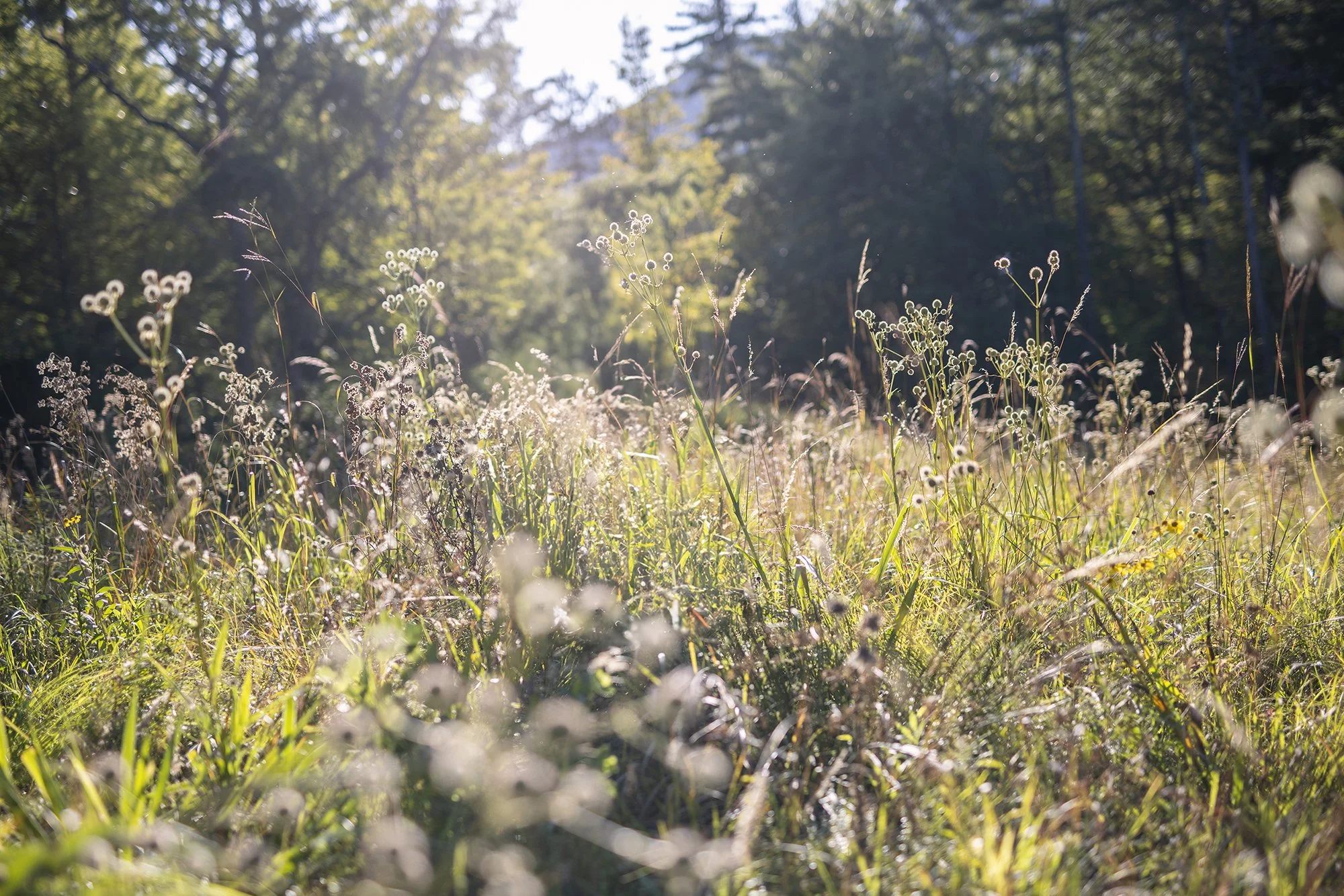
Let it bloom! A naturalized, native meadow planted from seed. A balance of native grasses and flowering perennials. Flack selected the species for their tolerance to the site conditions, such as for clay, erosion and deer resistance.
For those not quite ready to go full bore and hire a landscape designer, Flack suggests doing some research into what native plants you find attractive and coming up with a fifty–fifty mix of grasses and flowering perennials. Try carving an attractive shape into your lawn for your plantings, Flack all but guarantees butterflies and bumblebees will be swarming in a few short weeks. If you think you need to invest in all sorts of fancy fertilizers, you might be surprised to learn that amending the soil is actually the last thing he would advise. “This ties into this ecology piece. Look at the site conditions,” he says. “You have clay soil? Select plants that are appropriate for clay soil. You have sandy loam? Select plants that like sandy loam. There’s a plant for every soil condition, that will thrive, that’s native to your area. The idea that to build a beautiful garden you need to bring in tons of topsoil and manure is completely wasteful.”
There are plenty of online communities of re-wilders who understand that returning the land to a more natural state is not just a gardening trend but an absolute imperative to assure the continuation of pollinators we need to survive, because most of our food supply, in one way or another, depends on flowering plants. Jean-Marc Flack, for one, is fully committed to creating and recreating sustainable landscapes, one project at a time. He speculates about a project not entirely unlike Arthur C. Clarke’s vision of the future: “A post-industrial site of some kind would be a dream project. What’s called a tertiary landscape, not cultivated, not wild, it’s kind of like a forgotten spot. Working a new landscape in those conditions is fascinating to me, because that’s eventually what the whole planet is going to become.”
Learn more at hortulusanimae.com
Adam Snyder is a writer/musician who regularly contributes to UD. adamsnyder.com Martin Crook is a regular contributor to UD martincrook.com