
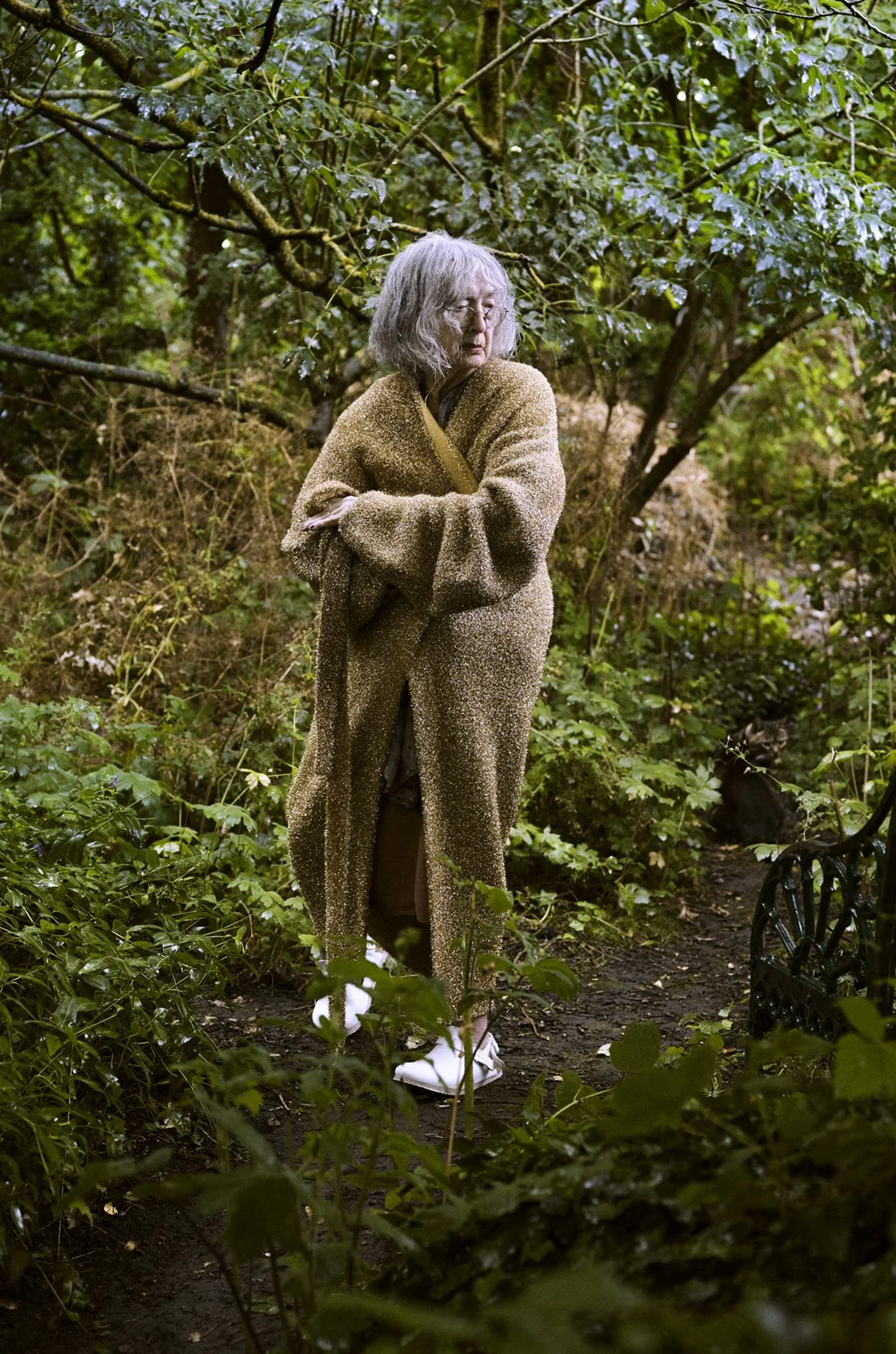
Words Paul Tierney Photography Julian Broad
Published in No 19
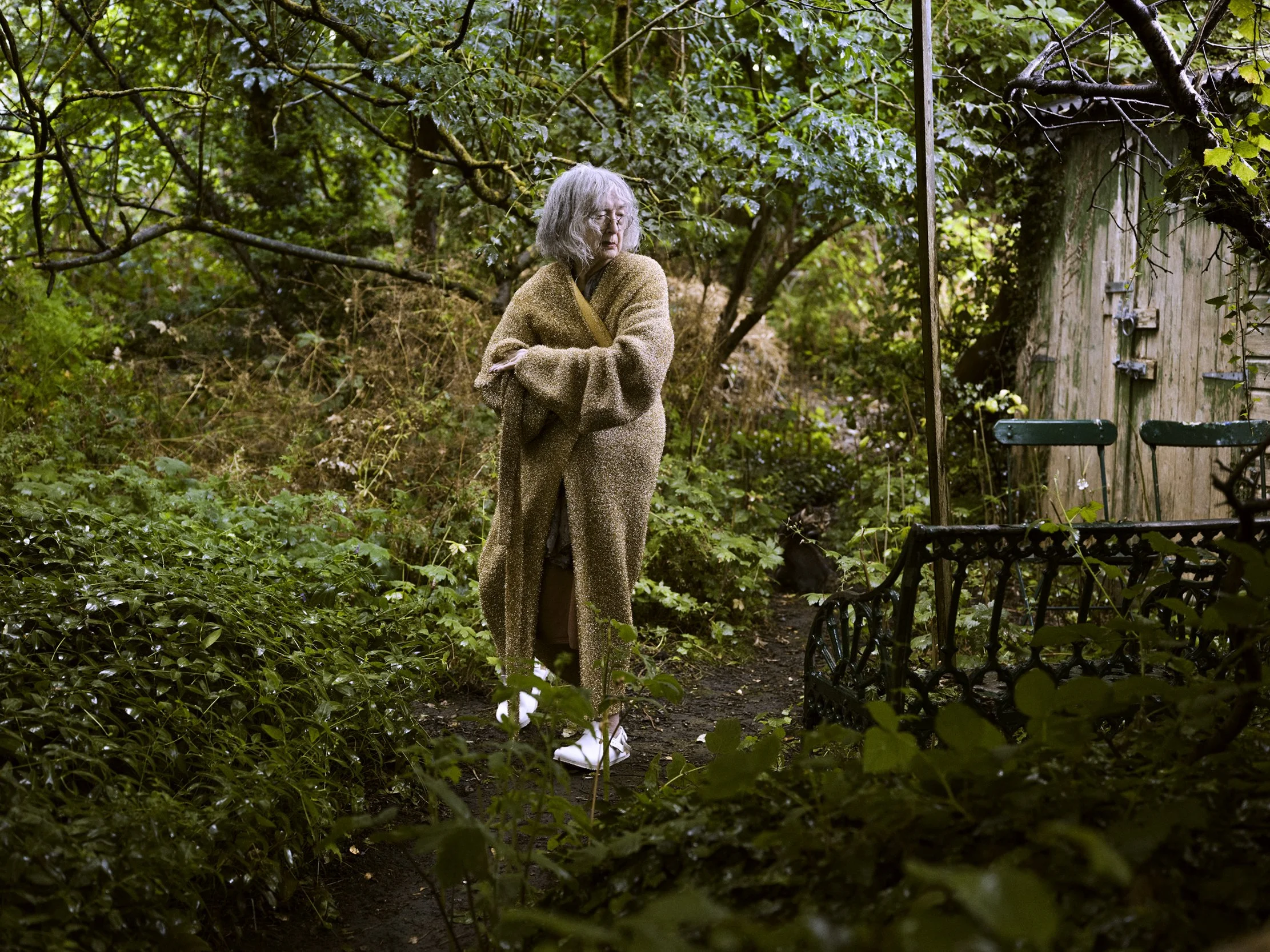
The British painter Rose Wylie is pottering around her quaint cottage, deep in the Kent countryside, eating toasted scones and feeling rather fruity. “I always have lashings of butter,” she says definitively, in an accent so cut-glass sharp she barely needs a knife. “I’ve also got some marvelous French raspberry jam in the cupboard, which is terrific.”
With her thatch-like grey bob and tortoiseshell spectacles, Wylie looks rather stern. But life is “thoroughly exciting” at the moment, and the school ma’am frostiness soon dissolves into regular bursts of giggles. It’s abundantly clear she takes herself seriously, but there are things to celebrate today. So, bring out the scones and let’s talk about the stuff that matters.
October is a big month for Rose. Not only is this venerated artist showing a new body of work at London's pre-eminent art fair, Frieze, she will also celebrate a landmark birthday. “When you say ‘landmark,’ is that a polite way of saying ninety?” she says bluntly. “I suppose you’re going to ask me how I feel about getting older. Well, there's a lot that's gone behind me, so I've got a lot to dig into and resurrect and put together. Being old means there’s a lot to connect. But I don’t care about birthdays. When you’re sixteen you think you ought to know stuff. Now I actually don't know much, and I don't care. I'm a bit more grumpy.”
“I don’t like too much reverence, no, I don’t think it’s helpful. That’s why I like Madonna. I think she’s terrific.”
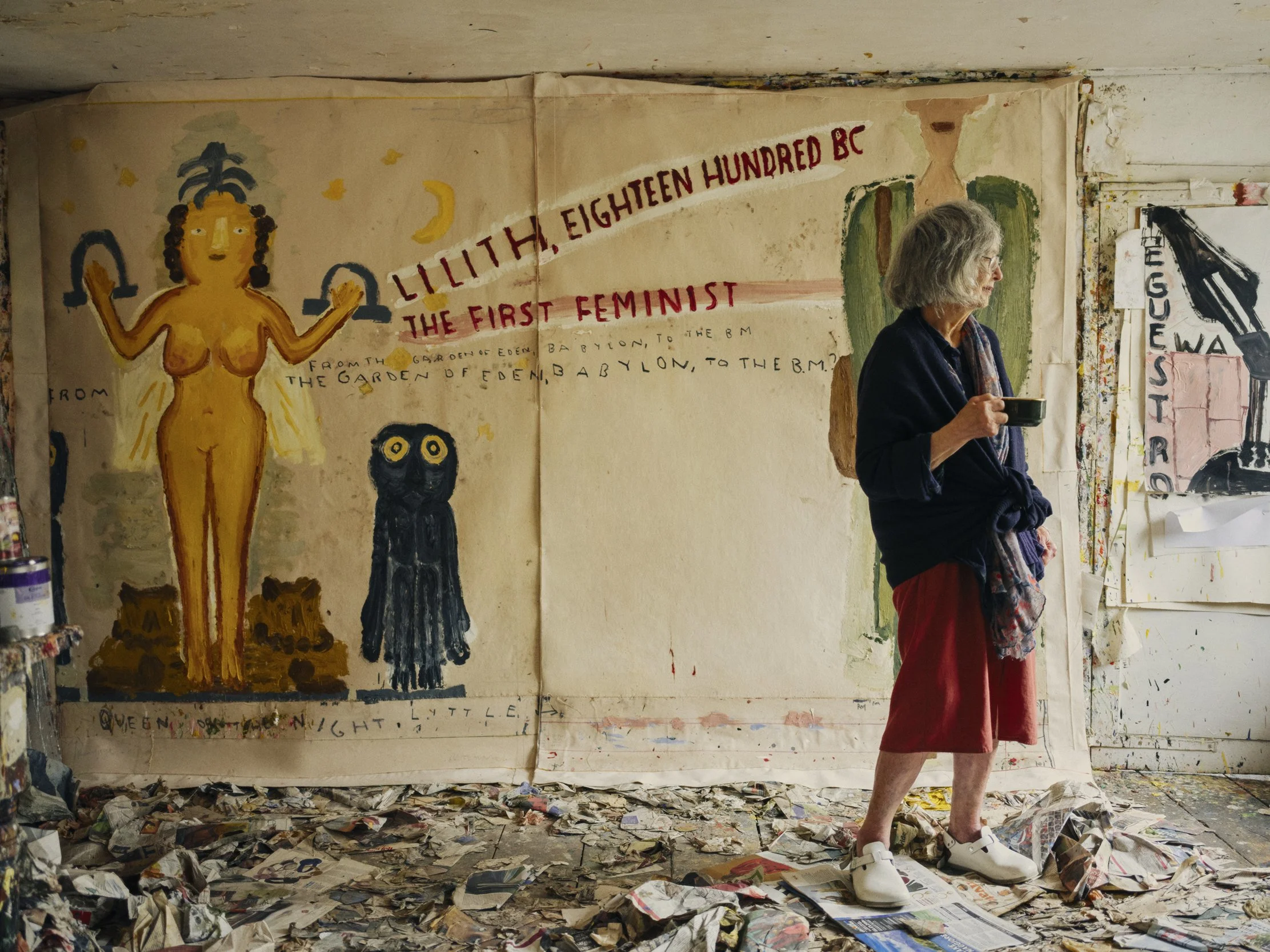
British painter Rose Wylie in her studio with Lilith and Gucci Boy.
The fluctuating grumpiness melts considerably when she talks about her art. For the uninitiated, Rose Wylie is one of the most important post-war artists of her generation. Her large-scale canvases — often 12-foot square — hang in the world’s most prestigious galleries and museums, and her style is instantly, uniquely recognizable. Doubters describe it as naive, child-like and hard to fathom. To the art cognoscenti it is a meditation on art itself — raw, intuitive, and with a flagrant disregard for what is understandable. She is drawn to the mundane, often depicting arbitrary objects in a jumbled landscape of reference points. A Wylie painting nods to Renaissance frescoes, primitive cave paintings and the tags of modern life. It’s a world where history and modern mass consumption collide in the most beguiling and charming way imaginable.
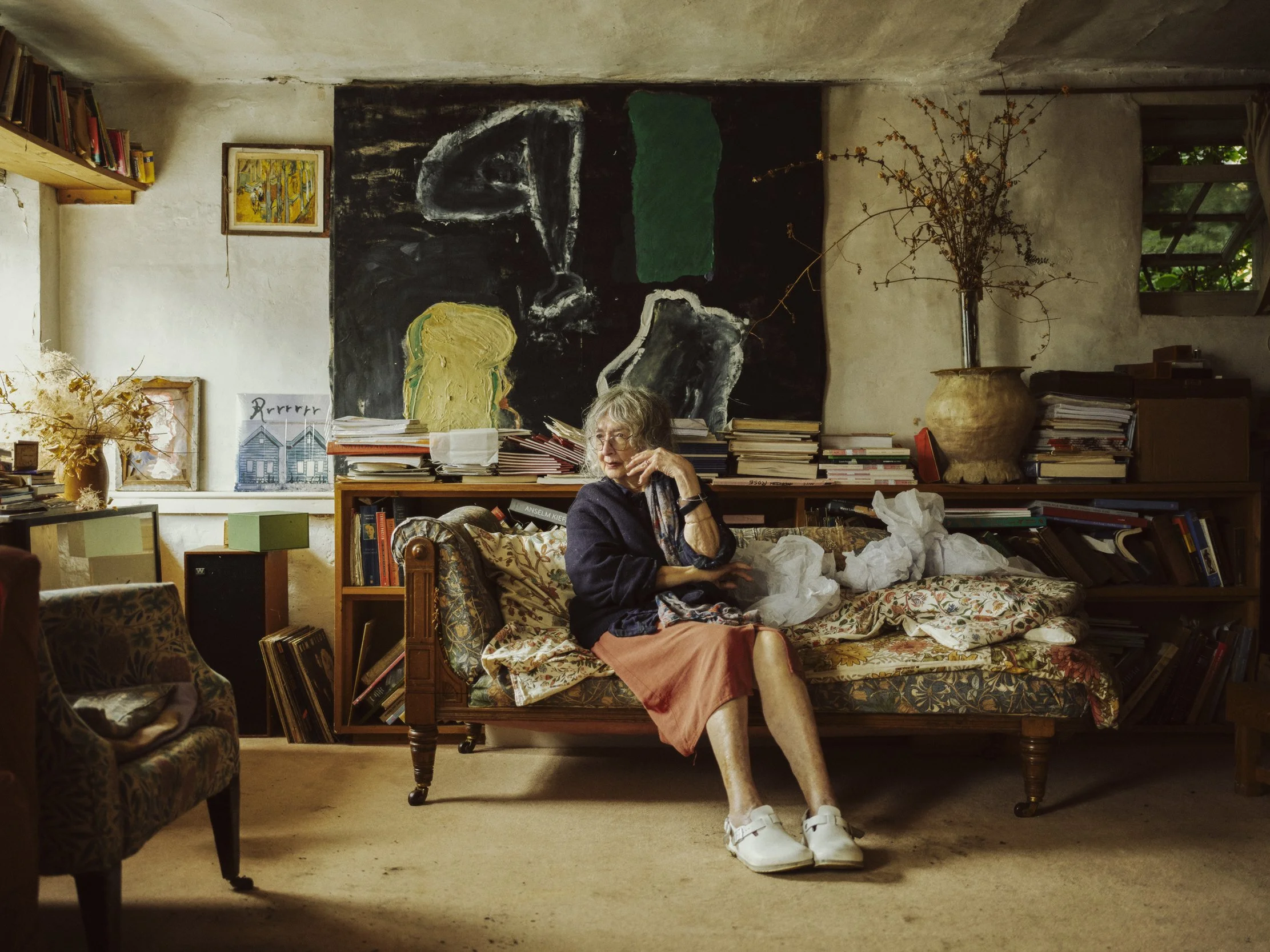
Wylie in her living room.
Read the full feature in issue 19. The Picture Comes First by Rose Wylie is on view through April, 26, ‘26 Royal Academy of Arts.
Paul Tierney is an arts, culture and travel journalist, writing for W Magazine, The Guardian, El Pais and The Independent. paultierneywrites.com & @paultierneysees
Julian Broad shoots for German Vogue, Armani, D la Repubblica, IWC and Harrods, among others. julianbroad.com and @julian_broad_studio / Retouching by Simon Ings / Invisible